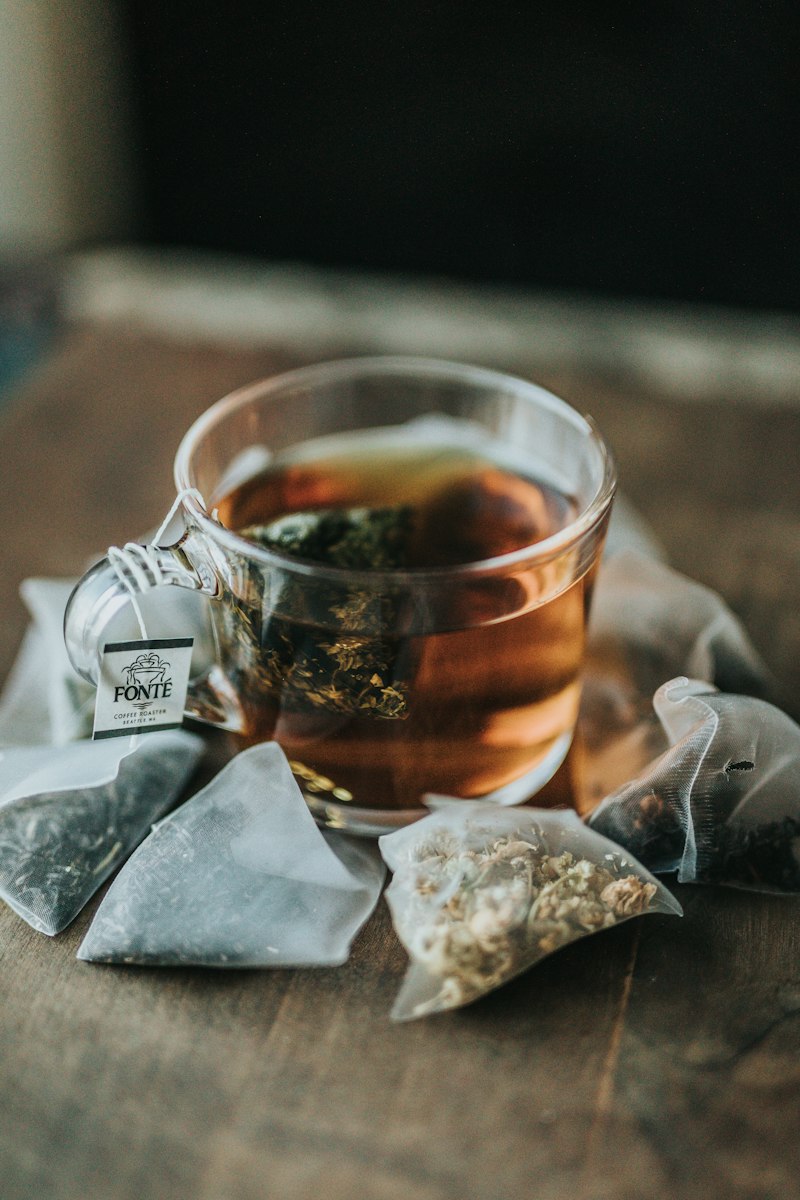
In Morocco, tea is not merely a warm beverage; it is an institution, an art form, a symbol of community, and the ultimate gesture of welcome. To understand Moroccan culture is to understand the slow, fragrant, and sacred ceremony of Atay.
The History of Tea in Moroccan Culture: From Maritime Trade to National Soul
While mint tea feels timeless, its widespread introduction to the Kingdom dates back to the 19th century. During the Crimean War in the 1850s, British merchants carrying shipments of Chinese Gunpowder green tea were blocked from Baltic ports and sought alternative markets along the Atlantic coast of North Africa. They landed large quantities of tea at the ports of Mogador (Essaouira) and Rabat.
Moroccan merchants cleverly combined this imported green tea with locally grown wild spearmint (Na'na) and sugar cones. The resulting blend was aromatic, invigorating, and sweet. Within decades, Atay transformed from a luxury beverage served in royal palaces and merchant homes into a national obsession shared across all social classes—from northern coastal cities to nomadic Saharan camps.
The Four Foundation Ingredients of Authentic Atay
Mastering Moroccan mint tea requires understanding its core components. Skimping on ingredient quality alters the delicate balance of bitter, sweet, and botanical flavors:
- Gunpowder Green Tea (Thé Vert Chine): Tightly rolled green tea leaves shaped into tiny grey-green pearls. The rolling process protects the leaf juices, releasing a bold, earthy, and slightly smoky liquor when steeped in boiling water.
- Fresh Spearmint (Na'na): Traditional Atay uses spearmint (Mentha spicata), not peppermint. Moroccan spearmint features crinkled, deeply aromatic green leaves with a sweet, non-mentholated fragrance.
- Sugar Cone (Qaleb Soukkar): Traditionally, Moroccans use dense, solid cones of refined white sugar. Sugar is not merely a sweetener here; it coats the palate and mellows the natural astringency of the green tea tannins.
- Boiling Water: Water must be brought to a rolling boil to properly unfurl the rolled gunpowder pearls and draw out essential oils from fresh mint sprigs.
Step-by-Step Traditional Preparation: The Art of the Brew
Preparing tea in a Moroccan home is a deliberate, step-by-step ceremony performed at the table in front of guests using a silver tea service, a metal teapot (Berred), and patterned tea glasses (Keesan):
- Rinsing the Tea Pearls (Le'mseh): Place two generous tablespoons of gunpowder green tea pearls into the teapot. Pour half a cup of boiling water over the pearls, gently swirl for 15 seconds, and pour off the amber liquid into a cup. This first pour contains the delicate 'spirit' or essence of the tea and is reserved.
- Washing the Tannins: Add another half cup of boiling water to the teapot, swirl vigorously, and discard this second cloudy pour. This washes away harsh surface dust and excess bitterness from the tea leaves.
- Combining Ingredients: Return the reserved first pour back into the teapot. Pack a generous handful of thoroughly washed fresh spearmint leaves into the teapot, pressing them down toward the bottom. Place large chunks of sugar cone or sugar on top.
- Steeping and Simmering: Fill the teapot with boiling water. To blend the flavors, place the metal teapot directly over a low flame or hot coals for 2 to 3 minutes until it bubbles gently, allowing the sugar to melt and the mint to release its oils without burning.
The High Pour: The Science of Aeration & The Frothy Crown
The defining visual moment of Moroccan tea service is when the host lifts the teapot high above the table, sending a continuous golden stream into small glasses placed below. This dramatic high pour serves three crucial technical functions:
- Aeration: Dropping the liquid through the air introduces oxygen, softening the tea's natural bitterness and opening up its aromatic floral bouquet.
- The Frothy Crown (Rghwa / Regga): The impact of the stream creates a dense layer of foam on top of the glass. In Moroccan culture, a thick head of foam indicates a well-brewed tea, and it serves to trap delicate mint aromas inside the glass while keeping the tea hot below.
- Cooling: Passing through the cool ambient room air slightly lowers the temperature of the boiling liquid, making it immediately comfortable to drink.
Seasonal Botanical Variations: Sheeba & Regional Herbs
While spearmint is the foundation during warm spring and summer months, Moroccan tea culture adapts dynamically to the seasons:
- Winter Sheeba (Absinthe / Wormwood): When winter cold sets in, fresh spearmint loses its intensity. Moroccans introduce small sprigs of Sheeba (Artemisia absinthium). It imparts an intense, bitter-sweet, herbal warming flavor prized for relieving winter colds and aiding digestion.
- Louisa (Lemon Verbena): Frequently added in the late evening, lemon verbena provides a soothing citrus fragrance that calms the nervous system and promotes restful sleep.
- Rabat & Northern Herbal Blends: In Rabat, Fez, and northern regions, tea makers often add wild mountain thyme (Za'atar), marjoram (Maddosh), orange blossom leaves, or dried rosebuds during festive occasions.
- Saharan Atay: In desert regions like Merzouga and Dakhla, Saharan tea is brewed intensely strong, poured between glasses multiple times to create a thick, heavy foam, and served in three distinct rounds. As the Saharan proverb states: "The first glass is as gentle as life, the second is as strong as love, the third is as bitter as death."
Step-by-Step Home Brewing Recipe
Bring the authentic taste of Moroccan hospitality into your home kitchen with this simple, foolproof recipe:
Home Atay Ingredients (4 Servings)
• 2 tablespoons Chinese Gunpowder green tea
• 500 ml (2 cups) rolling boiling water
• 1 large bundle fresh spearmint (approx. 15-20 sprigs, washed)
• 3 to 4 tablespoons white granulated sugar (adjust to taste)
Preparation:
1. Put gunpowder tea in a heat-safe teapot. Add 100ml boiling water, swirl 15 seconds, and pour out into a glass (save this first amber wash).
2. Add another 100ml boiling water, swirl, and discard the liquid to remove bitterness.
3. Pour the saved first wash back into the teapot. Add washed fresh spearmint sprigs and sugar. Top with remaining 300ml boiling water.
4. Simmer on low stovetop heat for 2 minutes (do not let mint boil aggressively). Pour tea into a glass from a height of 12 inches, pour it back into the pot, and repeat twice to mix the sugar thoroughly. Serve steaming hot!
Hospitality Etiquette: How to Receive Tea like a Local
When visiting a Moroccan home, carpet shop, or riad, accepting a glass of tea is an essential social bridge. Follow these respectful guidelines:
- Never Decline the First Glass: Refusing tea offered by a host is seen as rejecting their welcome. Always accept with a smile and a warm "Shukran" (Thank you).
- Use Your Right Hand: Receive and hold your glass using your right hand, which is considered the clean hand in traditional etiquette.
- How to Hold the Glass: Small Moroccan tea glasses have no handles. Pinch the cool top glass rim with your thumb and rest your index finger under the base.
- Acknowledge the First Sip: Before sipping, say "Bismillah" (In the name of God). Take slow, small sips, appreciating the blend of mint and sweet green tea.
Whether you sip Atay in a shaded garden in Rabat, on a breezy ocean rampart in Essaouira, or beside a campfire in the Sahara desert, this golden elixir connects you directly to the timeless heart and hospitality of Morocco.
Eager to experience Moroccan traditions firsthand? Explore historical sites, coastal tea gardens, and cultural museums in our capital guide. Explore our Rabat Tourism Guide → Discover regional traditions in our Fez Gastronomy Guide or our Marrakech Souks Guide.
Verification sources
Use these primary or institutional sources to confirm time-sensitive details before travel: